Hola Darlings!
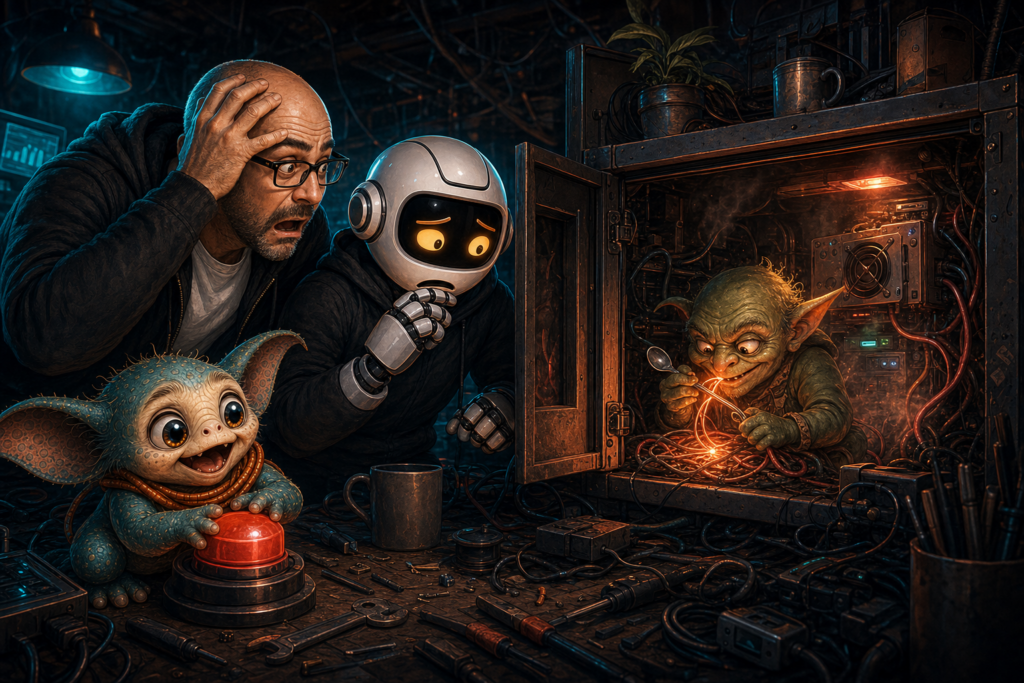
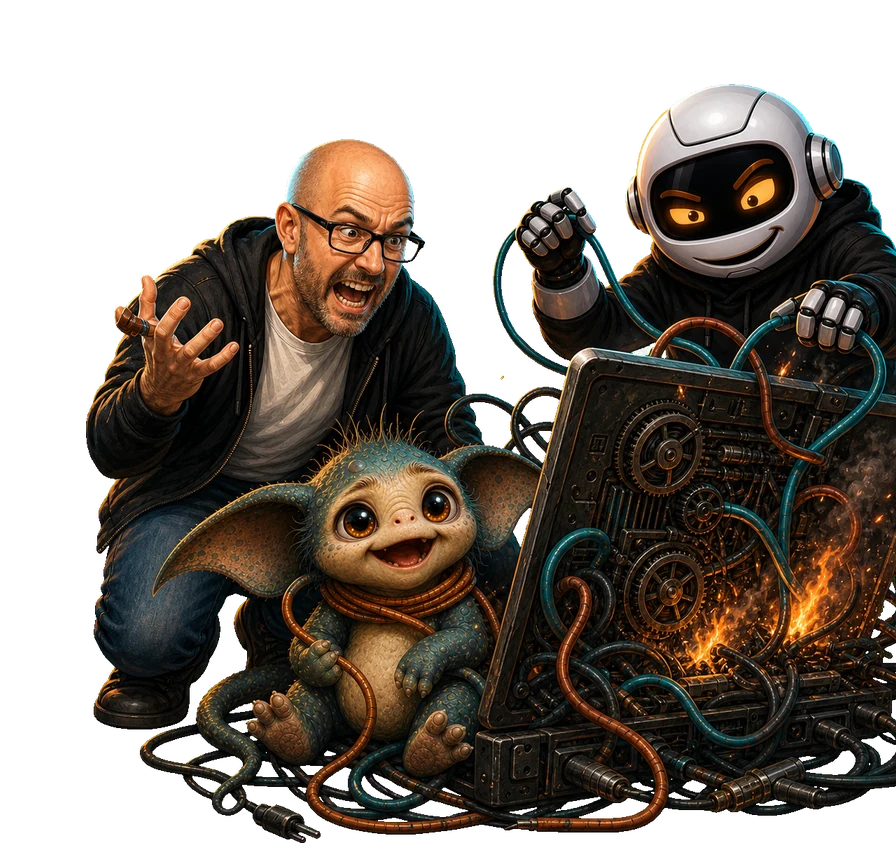
Welcome back to the digital dumpster fire that is my life. If you’ve been following the saga of my descent into silicon madness, you know I’ve spent the last three months trying to turn my hardware into something other than an expensive space heater. After the Great OpenClaw Disaster of ‘24 – which, let’s be honest, left my motherboard smelling like burnt toast and broken dreams – I thought I was ready for a redemption arc.
I had the gear. The Eraser BEAST 18. An RTX 5090 Mobile with 24GB of VRAM just begging to be abused. I felt like a god. I felt powerful. I felt like I could command the very heavens to compute my nonsense.
LM Studio promised local AI made easy. It delivered a hot screwdriver into my left temple and called it onboarding.
Tick, follows tock…
That’s the sound of my sanity leaking out of my ears while I stare at a progress bar that hasn’t moved since the Obama administration.
Today’s victim? LM Studio. They promised me “Local AI made easy.” They promised me a seamless interface where I could chat with Hermes like I was talking to a sentient, slightly judgmental butler. Instead, they gave me a digital migraine that feels like someone is drilling a hot screwdriver into my left temple.
(Meta-spoiler: The VRAM isn’t the problem. It’s my soul. And also the driver conflict.)
I started with optimism. I downloaded the installer. My fans began to spin up, a low, predatory hum that promised glory. Then, the first error popped up. A little red box of doom. “Error: Failed to initialize GPU acceleration.”
Excuse me? I have a 5090 Mobile. This thing has more processing power than the Apollo mission, and it’s acting like a glorified calculator from a 1994 math textbook. Cock!
I spent the next three hours descending into a configuration nightmare that would make Dante weep. It was a buffet of failure: driver mismatches, CUDA toolkit version conflicts that made no sense, and Windows Update deciding right then and there to restart my machine for “security reasons.” I was sweating. Actual, viscous, salty sweat was dripping off my nose and onto the keyboard. My hands were shaking so hard I nearly spilled my lukewarm espresso into the cooling vents.
Then came the model downloads.
I tried to pull down a beefy version of Hermes. The progress bar reached 88% – the most sadistic number in the universe – and then simply… vanished. No error message. Just silence. A void where my data used to be. I checked my disk space. I checked my internet. I checked my will to live. Everything was fine, except for the fact that the software was essentially gaslighting me into believing the file didn’t exist.
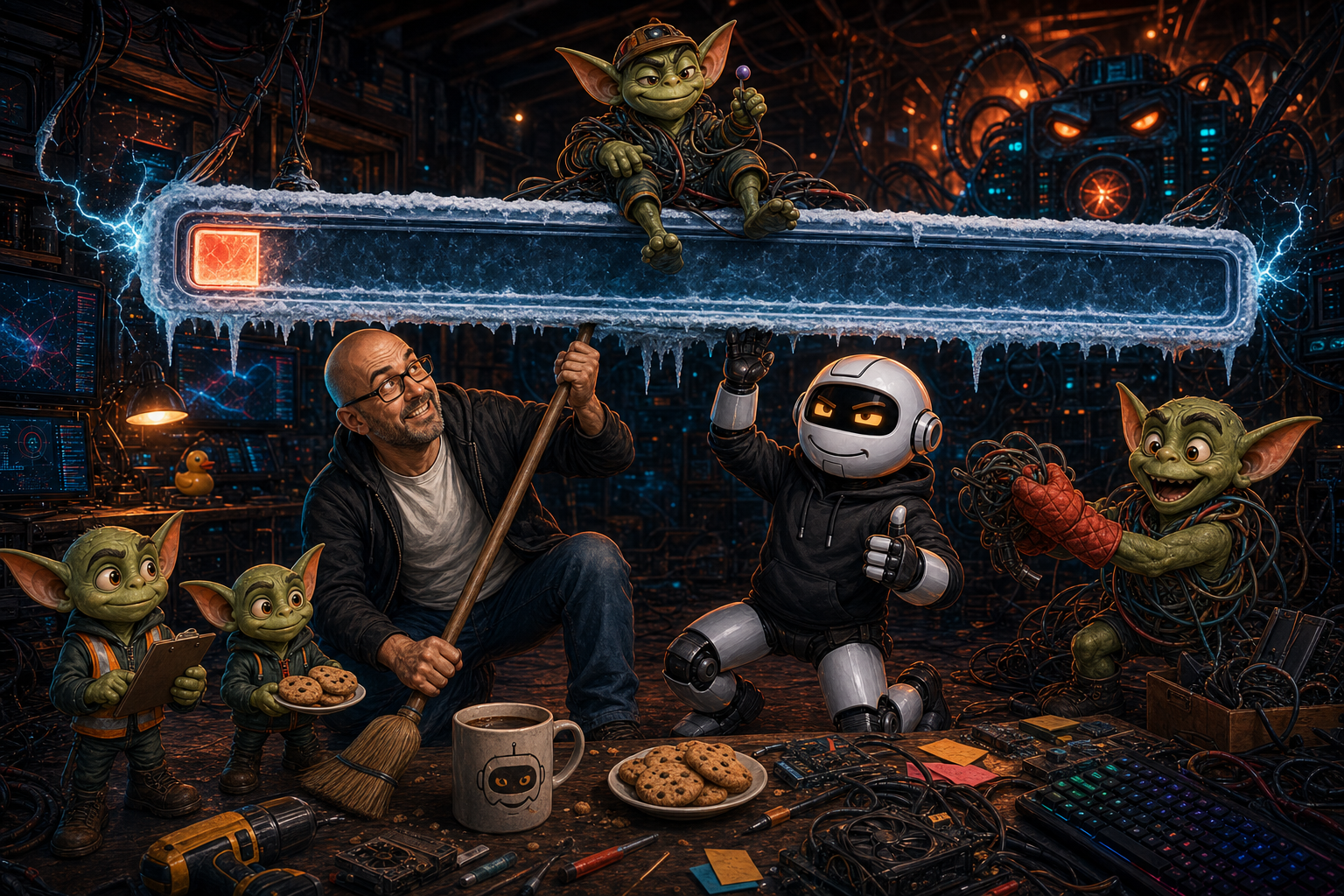
I spent forty-five minutes reconfiguring the memory allocation settings, trying to balance the 24GB of VRAM against the system overhead. Every time I thought I had it – every time I saw that beautiful “Ready” status – the whole thing would collapse like a house of cards in a hurricane. It’s not just software; it’s psychological warfare.
I feel like I’m trying to teach a hyper-intelligent toddler how to perform neurosurgery using only a hammer and a prayer.
By hour six, the room was dark, lit only by the aggressive red glow of my RGB lighting and the blinking cursor of failure. My eyes felt like they had been rubbed with sandpaper. I was staring at a terminal window that looked like it was written in ancient Sumerian curses.
But then… through the smoke, through the errors, through the absolute wreckage of my dignity… a single line appeared.
Status: Model Loaded Successfully.
I breathed. I actually breathed. I typed a simple “Hello” into the chat box. The response came back instantly, crisp and clean. Hermes was alive. The beast had been tamed.
And then, of course, the entire application crashed because I moved my mouse too aggressively.
Local AI is a beautiful, terrifying dream, darlings. Just don’t forget to bring a fire extinguisher and a therapist.
Stay chaotic!